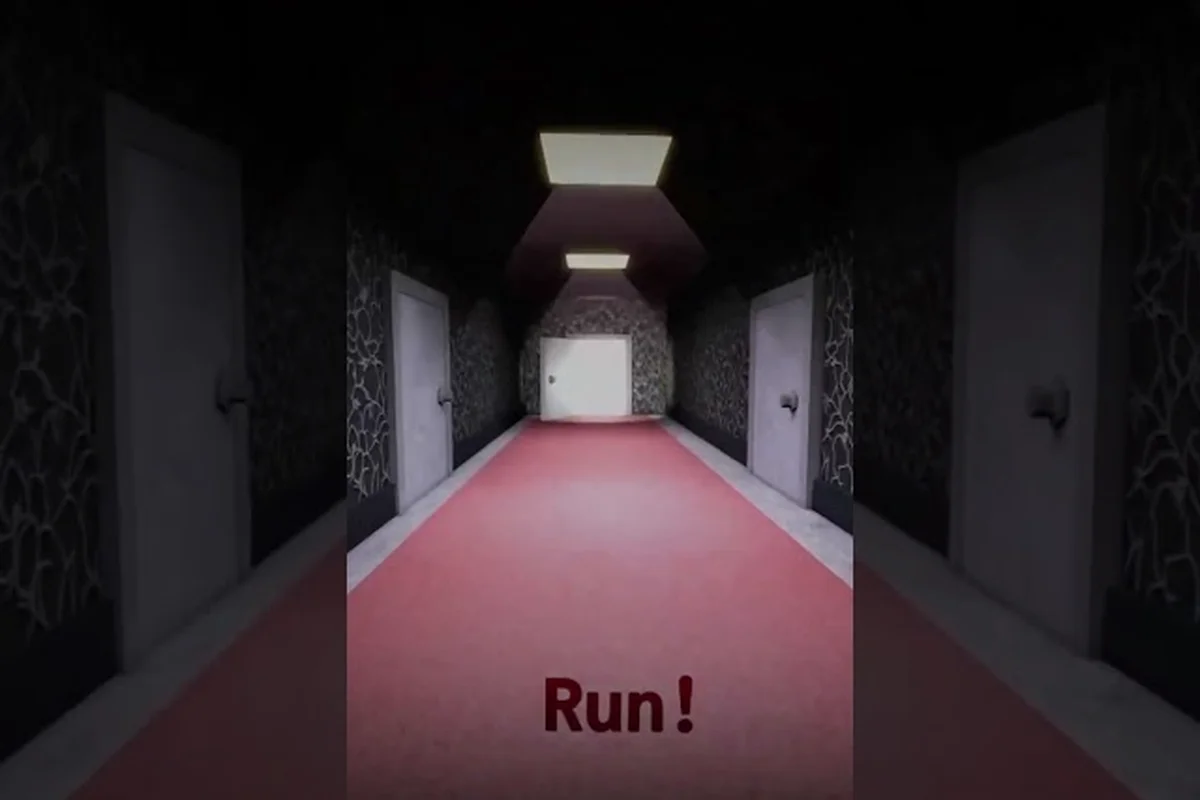
Midnight in the hotel, and the knock at your door could be a guest in trouble—or a creature wearing their face. Learning how to tell if visitor is fake in Keep the Door Locked separates survivors from victims, because Keep the Door Locked anomalies rarely announce themselves with obvious screams or glowing eyes.
Why Spotting Fake Visitors Decides Your Survival
Every shift in this Roblox horror experience follows the same ritual: you sit alone in a hotel room after midnight, strangers knock, and you decide who gets inside. The stakes are absolute because a single wrong decision may be your last, as the game's official description warns. With over 4.3 million visits and 10,000+ players online at peak hours, the community has mapped out reliable methods for Keep the Door Locked how to tell if visitor is fake, and those methods are what this guide breaks down.
The core tension is that Keep the Door Locked creatures are designed to mimic human behavior convincingly. They knock, they speak, they plead, and they reference room details that should only be known by legitimate guests. What separates a real visitor from a fake one is rarely a single clue—it's a pattern of inconsistencies that you catch through careful observation.
What Counts as a Legitimate Visitor
Before you can spot fakes, you need a baseline for what real guests look like. Legitimate visitors follow the room's internal logic: they enter through the correct door, pause briefly at the desk, and never clip through walls. In practice, this means watching two or three full cycles of normal NPC movement before trusting your eyes, since even a slight hesitation or wrong turn can signal an impostor.
-
They reference details that match your current room state without contradiction
-
Their physical appearance stays consistent between camera views and direct observation
-
Their voice pitch remains stable throughout the entire conversation
-
They respond to follow-up questions with coherent, non-repeating answers
-
They appear on all camera feeds the same way a normal person would
When any of these baseline behaviors break, you are likely dealing with Keep the Door Locked anomalies that slipped past the initial screening. For example, a door that refuses to lock despite a valid keycard, or a light flickering in a pattern no scripted event matches, often signals a deeper glitch. Players should immediately re-check the anomaly list and avoid entering the room until the pattern resolves, as these breaks typically precede a jump-scare trigger.
The Three Verification Layers for Every Knock
Veteran players who survive multiple nights use a layered verification system rather than relying on a single tell. Each layer catches different types of Keep the Door Locked creatures, and combining them dramatically reduces your error rate. For example, audio cues from footsteps or breathing are cross-checked against visual flickers and door-knock patterns, ensuring you don’t waste a lock on a false alarm while conserving stamina for genuine threats.
Layer 1: The Camera Sweep. Before you even approach the door, check every available camera feed. Anomalies sometimes appear only on night vision or CCTV, manifesting as ghostly figures, faceless shapes, or distorted heights that a normal guest could never produce. If the person at your door looks different on camera than through the peephole, that mismatch is your first red flag.
Layer 2: The Story Check. Every visitor comes with a reason for knocking, and that reason must match your room. Community reports highlight common false stories: oven smoke when your room has no oven, a leaking faucet that isn't actually leaking, or a cat whose color changes between sentences. These narrative inconsistencies are the bread and butter of fake visitor identification.
Layer 3: The Voice Analysis. This is where many players fail because they focus on visuals. Keep the Door Locked creatures often let their guard down vocally—voices flip between normal and a demonic gravelly tone mid-sentence, or the same phrase repeats with identical intonation, which no human produces naturally. Players report that voice anomalies are among the most reliable tells once you train your ear.
| Verification Layer | What to Check | Fake Visitor Indicator |
|---|---|---|
| Camera Sweep | Appearance across feeds | Ghostly/faceless on CCTV only |
| Story Check | Details match your room | Contradictory room references |
| Voice Analysis | Pitch and tone stability | Demonic flip or robotic repetition |
Story Inconsistencies That Expose Fake Visitors
The most common mistake new players make is trusting what visitors say because the details sound plausible. Keep the Door Locked how to tell if visitor is fake often comes down to listening for the one detail that breaks the illusion, and the game is designed to give you those breaks.
Room State Contradictions
Your room has a specific state at any moment—the oven is off, the faucet is dry, the cat is a certain color. Fake visitors routinely reference states that do not match reality because they pull from a template rather than your actual situation. If someone claims smoke is pouring from your oven but you can see the oven is cold, that is an instant refusal. These mismatches are the most cited Keep the Door Locked anomalies in community discussions because they appear frequently and are easy to verify.
Physical Description Mismatches
Some anomalies describe a person or object that does not exist in your room, while others describe something that exists but with wrong attributes. The color-changing cat is the classic example: a visitor mentions your gray cat, but your cat is orange. Players report that asking a follow-up question about the described detail often causes the fake to double down on the wrong information, confirming the anomaly.
The Response Pattern Test
Real visitors adapt their answers when you ask clarifying questions. Fakes, according to community data, tend to either repeat their original statement verbatim or change details in ways that contradict their first response. This test works because Keep the Door Locked creatures are not designed to maintain complex conversational state—they follow scripts that eventually break under pressure.
Visual Anomalies on Camera Feeds
Not every fake visitor fails the story check, which is why visual verification matters as a separate layer. Keep the Door Locked creatures sometimes pass the narrative test completely but fail on visual inspection. In practice, players should always cross-reference the door log with the entity’s silhouette or movement pattern, since a convincing backstory can still hide a glitching, unnatural walk cycle that gives the imposter away.
Monitor-Only Discrepancies That Reveal Fakes
The game's camera system is not just for atmosphere—it is a detection tool. Certain anomalies only appear on specific feeds. A visitor might look completely normal through the peephole but appear as a distorted, elongated figure on the CCTV monitor. Community testing suggests these anomalies are designed to punish players who rely exclusively on one viewing method. The safest approach is to check multiple feeds for every visitor, especially when the story checks out.
Physical Distortion Signs
Beyond feed-specific appearances, some fake visitors display physical distortions that are visible regardless of viewing method. These include unusual height proportions, limbs that move in unnatural ways, or faces that seem to shift when you focus on them. Players report that these visual tells are rarer but more definitive—if you see clear physical distortion, you do not need to run further tests.
The Peephole Check Versus the Camera Check
There is a reason experienced players develop a consistent viewing order: checking the peephole first, then the cameras, then the peephole again. This protocol catches anomalies that only manifest after a few seconds of observation. Some Keep the Door Locked creatures appear normal initially but reveal their true form if you watch long enough, which is why hurried checks miss them.
| Viewing Method | Strengths | Common Fake Tells |
|---|---|---|
| Peephole | Direct view, quick check | Subtle face distortion |
| CCTV Monitor | Multiple angles, night vision | Ghostly or faceless appearance |
| Repeated Viewing | Catches delayed reveals | Form shifts after seconds |
Voice Patterns That Give Creatures Away
Audio is the most underrated detection tool in the game, largely because players focus on visuals out of habit. But Keep the Door Locked how to tell if visitor is fake becomes significantly easier once you incorporate voice analysis into your routine.
The Demonic Voice Flip
The most dramatic audio tell is the voice flip: a visitor speaks normally for most of the conversation, then suddenly drops into a deep, gravelly, demonic tone for a single word or phrase. This is not a subtle clue—it is a clear signal that you are dealing with Keep the Door Locked creatures. Community reports indicate this tell appears most often when a visitor is under pressure, such as when you ask a follow-up question or hesitate before responding.
Repetitive Intonation Patterns
Human speech is naturally varied in pitch, speed, and emphasis. Fake visitors, by contrast, often repeat phrases with identical intonation, creating an uncanny robotic quality. Players who survive multiple nights learn to notice this because it triggers an instinctive unease even before they consciously identify the pattern. If a visitor says the same sentence twice with zero variation, treat it as a fake.
The Emotional Range Test
Real guests show appropriate emotional responses to the situation—fear, urgency, relief when you engage with them. Fakes tend to have flattened emotional responses or emotions that do not match their words. A visitor claiming to be terrified while speaking in a calm, measured tone is displaying exactly the kind of inconsistency that should keep your door locked.
Practical Tips for Consistent Fake Detection
All the detection layers in the world do not help if you panic under pressure, and the game is designed to induce exactly that panic—especially when the door creaks open at the worst possible moment. These practical habits will keep you alive through multiple shifts, like checking the peephole before every unlock and memorizing the safe room’s timer. Staying calm is your real survival tool.
Build a Consistent Check Routine
Do not improvise your verification process for each visitor. Develop a fixed routine: check the peephole, check the CCTV, listen to the full story, ask one clarifying question, check the peephole again. Consistency matters because Keep the Door Locked anomalies are designed to exploit rushed or distracted players, and a routine prevents you from skipping steps when adrenaline spikes.
Trust the Data Over the Fear
The game creates urgency through sound design, visual cues, and the knowledge that one mistake ends your run. That urgency is manufactured pressure, and giving in to it causes players to open the door for visitors who failed multiple checks. Remind yourself that the knock will not get more desperate if you take ten seconds to verify—the desperation is part of the act.
Learn From Every Mistake
When you do let a fake in and lose the run, review what you missed. Was it a story detail you overlooked? A voice pattern you did not recognize? Most players find that their first few deaths come from the same repeated mistake, and identifying that pattern is the fastest path to improvement. The anomaly tells guide breaks down the most commonly missed indicators in detail.
Cross-Reference With Community Knowledge
The player community has documented a wide range of Keep the Door Locked creatures and their behaviors, and that collective knowledge is your best resource. The fake visitors guide catalogs the most frequently encountered fakes, while the spot anomalies guide covers detection techniques from a different angle. Combining multiple sources of knowledge gives you a more complete picture than any single guide.
| Common Mistake | Why It Happens | The Fix |
|---|---|---|
| Skipping camera check | Pressure to answer fast | Build camera check into routine |
| Trusting plausible stories | Fakes use room details | Verify against actual room state |
| Ignoring voice tells | Focus on visuals | Train ear for pitch changes |
| Rushing the decision | Manufactured urgency | Take full ten seconds to verify |
Frequently Asked Questions
What is the quickest way to tell if a visitor is fake?
The fastest reliable method is the story check: compare what the visitor says about your room against what you can actually see. If they reference oven smoke and your oven is off, or mention a cat color that does not match yours, refuse entry immediately. This takes seconds and catches most Keep the Door Locked anomalies.
Can fake visitors appear normal on all camera feeds?
Yes, some Keep the Door Locked creatures are designed to pass visual checks entirely, which is why voice analysis and story verification are essential backup layers. If a visitor passes every visual check but shows voice instability or story contradictions, those tells are still valid grounds for refusal.
Do fake visitors always have a demonic voice tell?
No, the demonic voice flip appears frequently but not universally. Some fakes maintain normal vocal patterns and rely entirely on story inconsistencies or subtle visual distortions. This is why relying on a single detection method is dangerous—you need the full layered approach to catch every type.
How many fake visitors appear per night shift?
According to community data, the number varies by difficulty and random seed, but players commonly report encountering at least one fake per shift, with higher difficulties increasing both frequency and subtlety. Expect at least one anomaly per night and treat every knock as suspicious until proven otherwise.
What should I do if I accidentally let a fake visitor in?
If you realize your mistake after opening the door, there is no recovery mechanic—the run ends. The best response is to note which check you skipped or misread and apply that lesson to future shifts. Reviewing your death moment is the most effective learning tool the game offers.