
Visitors
The full roster of strangers who knock in Keep the Door Locked — police, neighbors and late-night guests — and who is safe to let inside, who to verify, and who to turn away.
Introduction
Visitors are the whole game in Keep the Door Locked. Every night, strangers knock on your hotel room door: police officers, neighbors, desperate late-night guests and drifters passing through. Each one tells a story and asks to be let in. Some are exactly who they claim to be. Some are anomalies wearing human stories. This category is the full visitor roster — every archetype players have encountered, what they usually want, which ones are always safe, which ones need verification, and which are almost always dangerous. Learn the roster and you will stop guessing at the door and start deciding with confidence.
Visitor Roster Quick Reference
| Visitor | Typical Ask | Verdict | Action |
|---|---|---|---|
| Police / Authority | Claims to be responding to a report | Verify | Check story + badge details on camera |
| Neighbor | Needs help, borrowed item, warning | Verify | Some always safe, some never — know them |
| Distress Caller | "I need help" — emergency claim | Verify First | Check claimed emergency in room |
| Night Drifter | Shady story, late-night passersby | Suspicious | Use night vision, refuse if odd |
| Repeat Caller | Returns on later nights | Learn Pattern | Story changes — verify each time |
Visitor Archetypes
Police / Authority
The police and authority caller is one of the highest-stakes visitors because the uniform is designed to sound convincing. They claim to respond to a report about your room, a noise complaint, or someone in danger, all framing designed to make refusal feel wrong. The correct handling is to verify the story and the caller on camera, because officials are frequently anomalies wearing authority as a disguise. Never open for police on the story alone; the badge and the claim must both survive a careful check first.
Neighbor
The neighbor caller shows up with familiar requests: help with something, a borrowed item, or a warning about the night ahead. The challenge is that some neighbors are always safe and some are never safe, and the game gives you no marker to tell them apart. If you are unsure about a face, apply the standard story and camera check before deciding anything. Repeat callers deserve extra caution, because a neighbor who was safe before can return later as something that is not a neighbor at all.
Distress Caller
The distress caller uses the most dangerous script in the game, because the plea I need help is almost impossible to ignore. They claim an emergency in your room or theirs: fire, water, or someone hurt, and every word is designed to push you toward the lock. The correct handling is to check the claimed emergency on the room camera before anything else, because anomalies invent emergencies that do not actually exist. This archetype is a favorite disguise for the worst anomalies, so verify first no matter how urgent the voice sounds.
Night Drifter
The night drifter is a late-night passerby with a shady story: a vague request for shelter, a strange excuse, or a rambling warning that never quite adds up. They are among the most distortion-prone visitors in the game, so night vision is the right tool to use on them before making any decision. Treat them as suspicious by default, and refuse unless every check comes back completely clean. Their stories sound odd for a reason, and the cost of letting one in is far higher than the reward for being kind.
Repeat Caller
The repeat caller is the visitor who has knocked before, and the danger is precisely that familiarity. Some visitors build trust across multiple nights, showing up with reasonable requests until one night they turn, so every new visit must be treated as brand new. Re-verify the story, the camera, and the voice on every single appearance, and never assume a safe face is still safe just because it worked last time. Learn the pattern if you can, but trust none of them without fresh verification.
Core Mechanics
Visitors follow a simple mechanical pattern: knock, dialogue, decision. When someone knocks, you can check the monitor, listen to their request, and then choose to open the door or refuse. The outcome of your choice depends on whether the visitor was real. Real visitors reward you with progress, safe outcomes and in some cases unlock paths toward endings. Anomalies disguised as visitors punish you — letting one inside typically costs you sanity and can end the night. The roster organizes these visitors into archetypes with consistent behavior, so once you learn which archetypes are trustworthy, you can apply that knowledge to every run.
Advantages
Mastering the visitor roster turns the game from paranoia into strategy. Instead of agonizing at every knock, you immediately categorize: police need verification, the neighbor is usually safe, night drifters get night vision scrutiny. This saves time, protects your sanity and lets you make fast decisions under pressure. The roster also helps you plan across multiple nights — knowing that certain visitors return with different stories means you never drop your guard on a familiar face, which is exactly where most experienced players get caught. Knowing that certain visitors return with different stories means you never drop your guard on a familiar face, which is exactly where most experienced players get caught.
Challenges
The roster is community-built, and the full list of visitors is not officially documented, so some archetypes may be incomplete or outdated after patches. Visitors also use randomized dialogue, which means two encounters with the "same" archetype can play out differently — a rule that works once may not apply verbatim every time. Finally, the most dangerous visitor is the one who perfectly mimics a safe pattern; rosters teach you the common tells, but they cannot predict every trick the game adds in a future update. Finally, the most dangerous visitor is the one who perfectly mimics a safe pattern; rosters teach you the common tells, but they cannot predict every trick the game adds in a future update.
Frequently Asked Questions
Who should I always let in?+
What happens if I refuse a visitor?+
Do the same visitors come back?+
Quick Tips
When in doubt, refuse. Letting a real person in gives you a modest reward; letting an anomaly in can end your night. The risk asymmetry means "refuse when unsure" is the mathematically safe play every single time. The safe refusal keeps your sanity intact and your night alive, while a risky let-in can erase both in seconds.
Verify authority figures extra carefully. Police and officials are high-stakes visitors — they sound convincing by design. Check their story details against the room and never open for an official without a camera confirmation. Look for the details real authorities would know: correct badge behavior, real dispatch language, and stories that line up with the room around you.
Use night vision on every late-night drifter. The shady visitors who appear in the darkest hours are the most likely to be anomalies. One quick night-vision pass at the door screens out most of them. One quick night-vision pass screens out most late-night drifters, because the distortions that mark them are exactly what night vision makes visible.
Featured
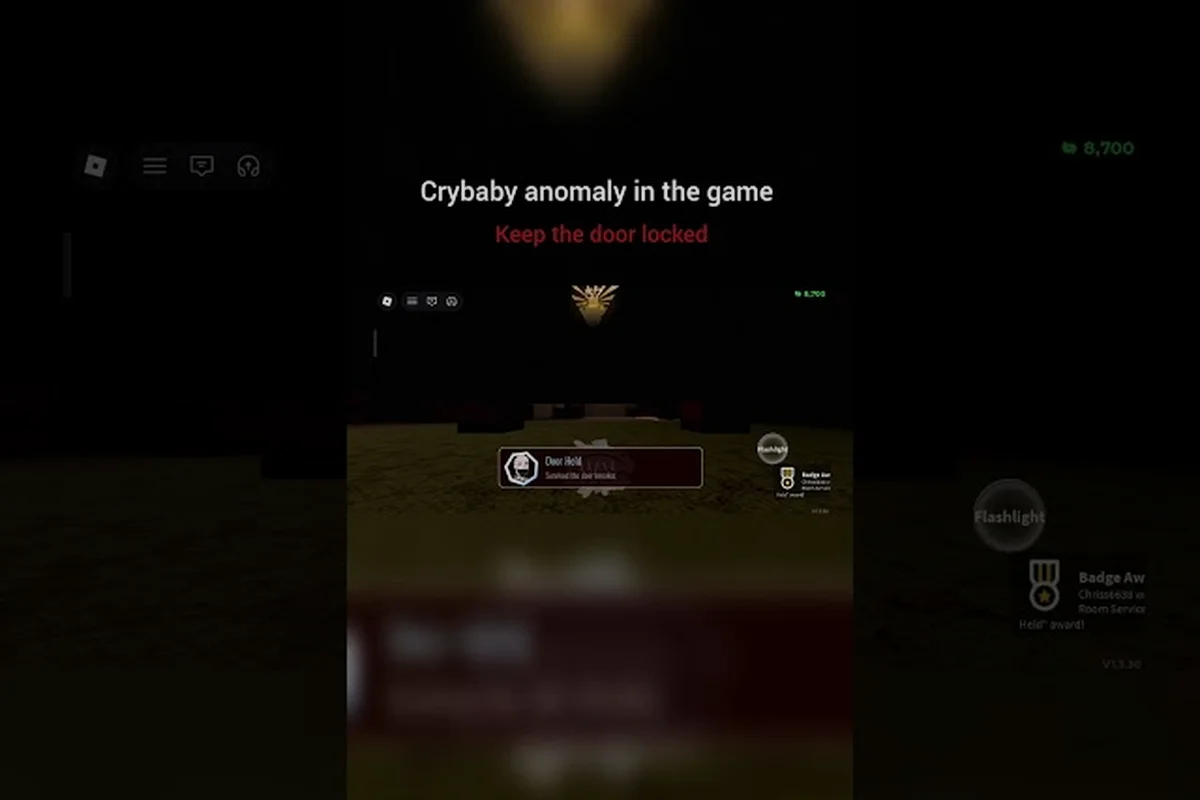
Keep the Door Locked All Visitors Guide: Every Visitor Rated
Master every Keep the Door Locked visitor type with our full guide. Learn which late-night visitors are safe, which are dangerous, and when to keep the door shut.
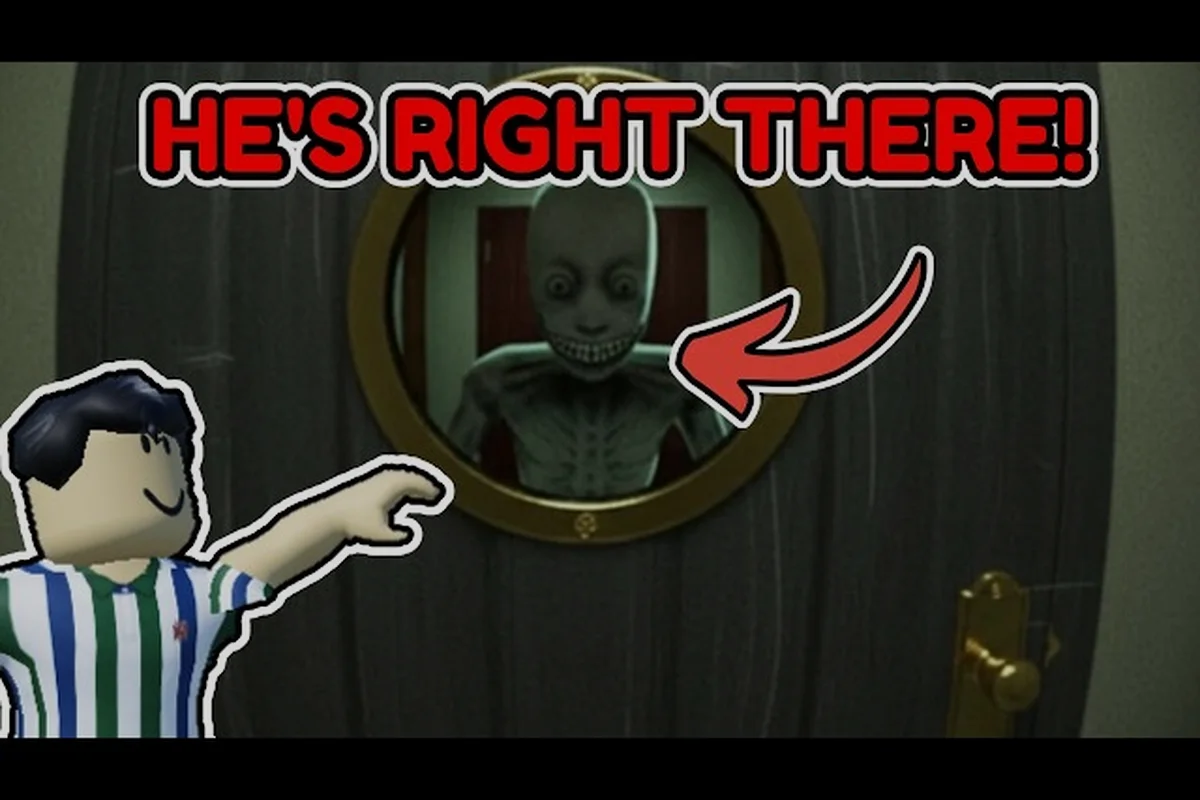
Keep the Door Locked Strangers at Door: Who to Trust
Learn how to handle keep the door locked strangers at door encounters. Identify safe visitors, spot red flags, and survive every knock with this essential guide.

Keep the Door Locked Guest List: Every Visitor Explained
Master the Keep the Door Locked guest list with our complete visitor guide. Learn every stranger type, safe entry rules, and survival tips.
All Articles
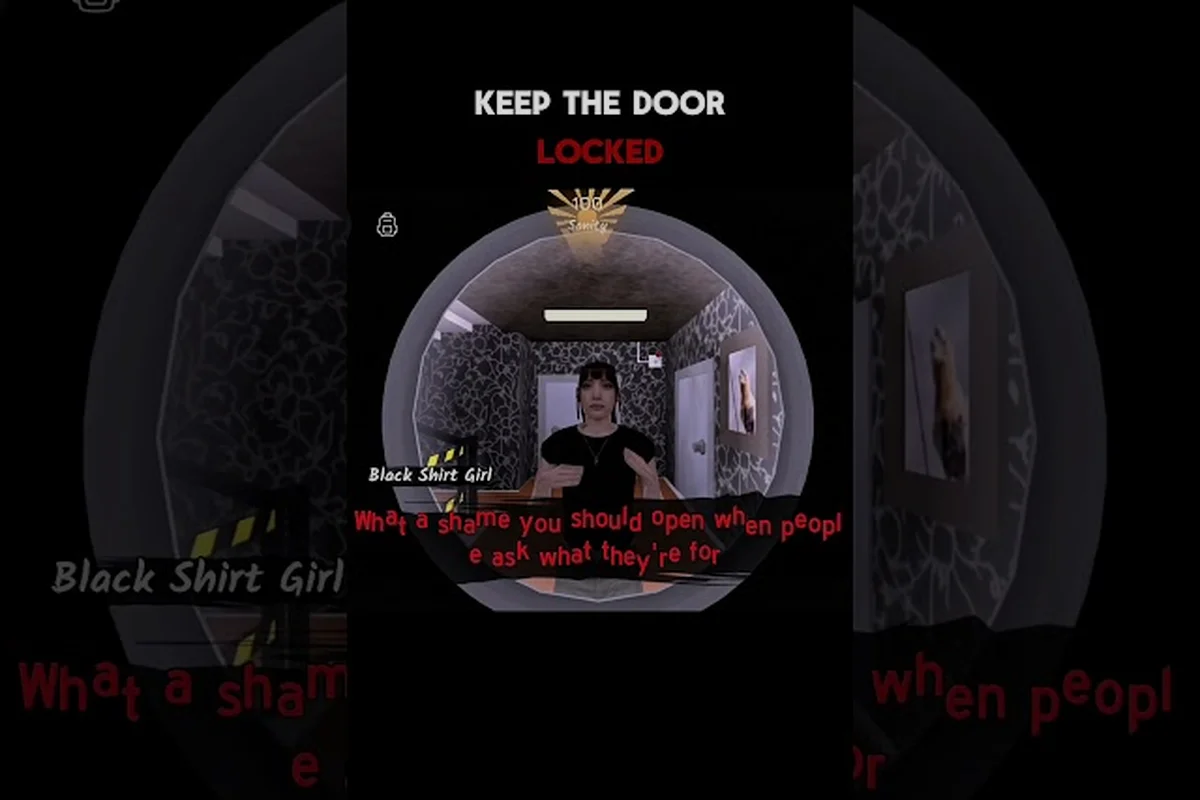
Keep the Door Locked Who to Let Inside: Entry Rules Guide
Learn who to let inside in Keep the Door Locked. This visitor guide covers safe strangers, dangerous intruders, and rules to survive every night.
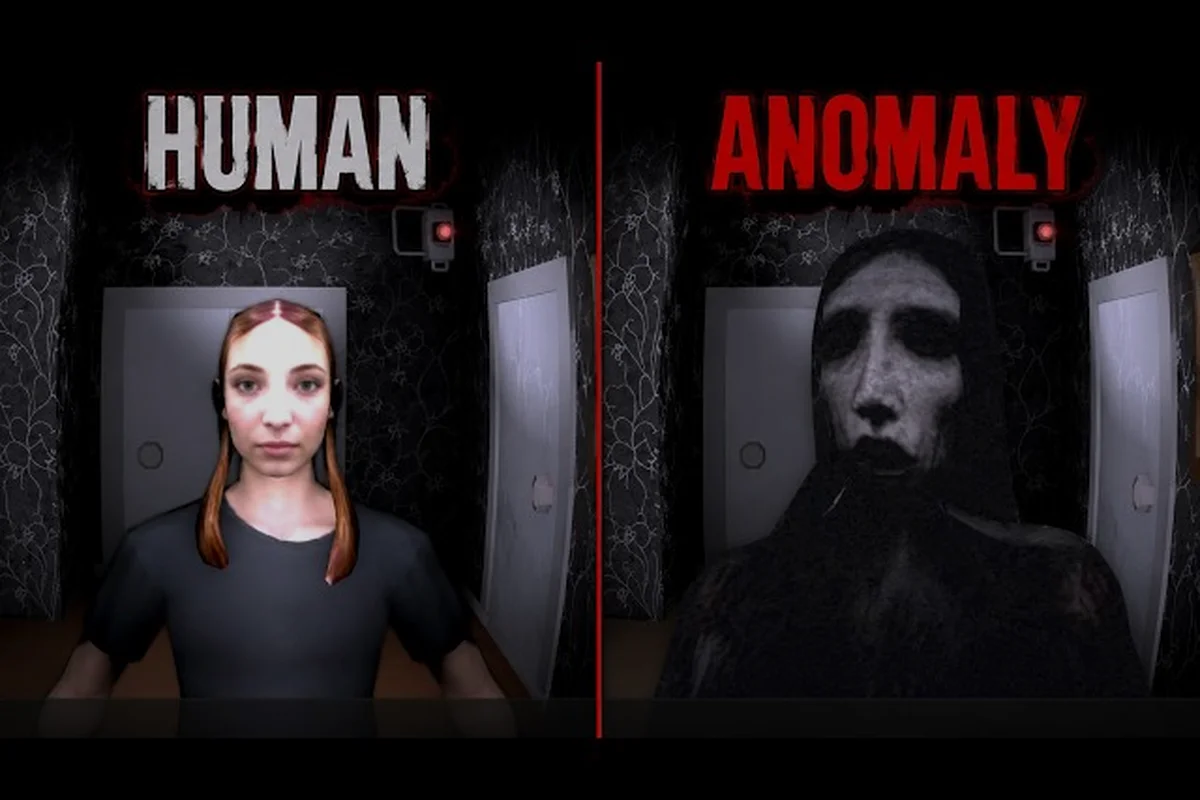
Keep the Door Locked Visitors List: Every Knock Explained
Master the keep the door locked visitors list with our guide. Learn which night callers are safe, which are anomalies, and how to survive every knock.
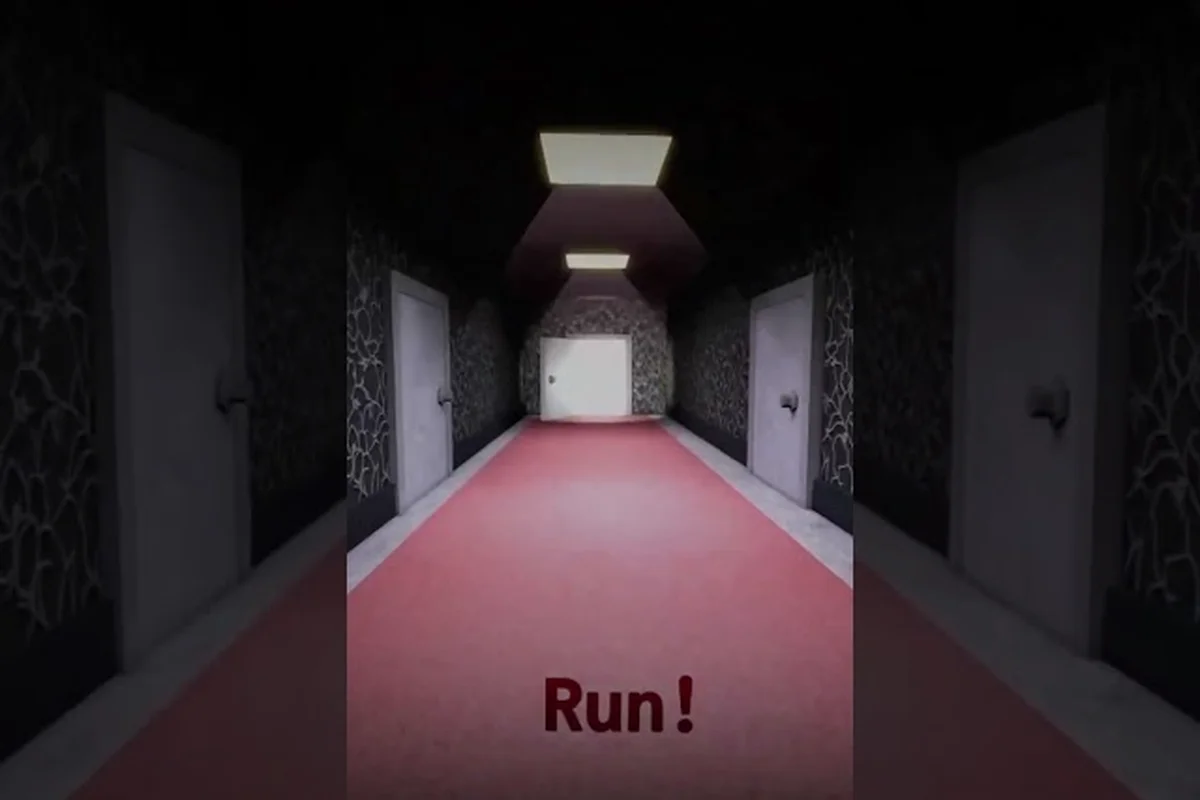
Keep the Door Locked Who to Let In: Trusted Visitor List
Learn who to let in and who to turn away in Keep the Door Locked. Master visitor verification, spot lies, and survive every midnight knock with this complete guide.
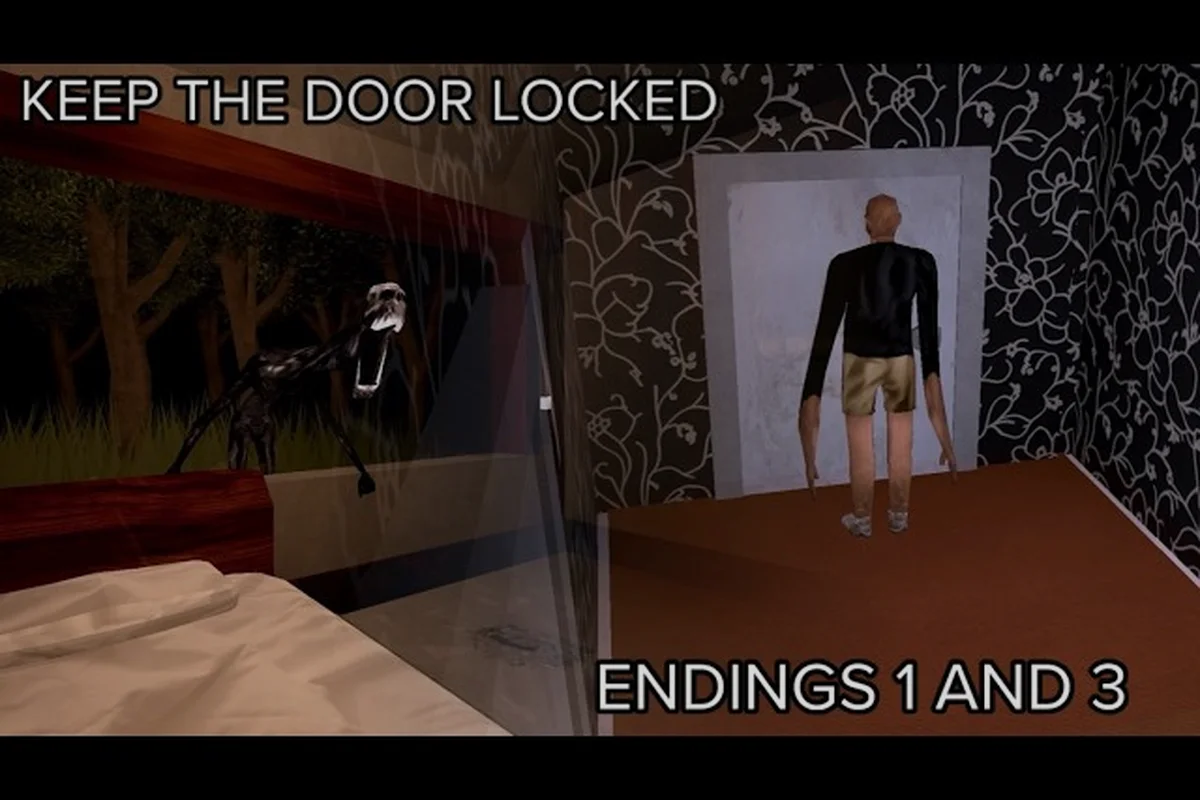
Keep the Door Locked Police Visitor: Verify Before You Open
Learn how to handle the keep the door locked police visitor encounter. Verify credentials, spot lies, and survive every authority visit with our complete guide.
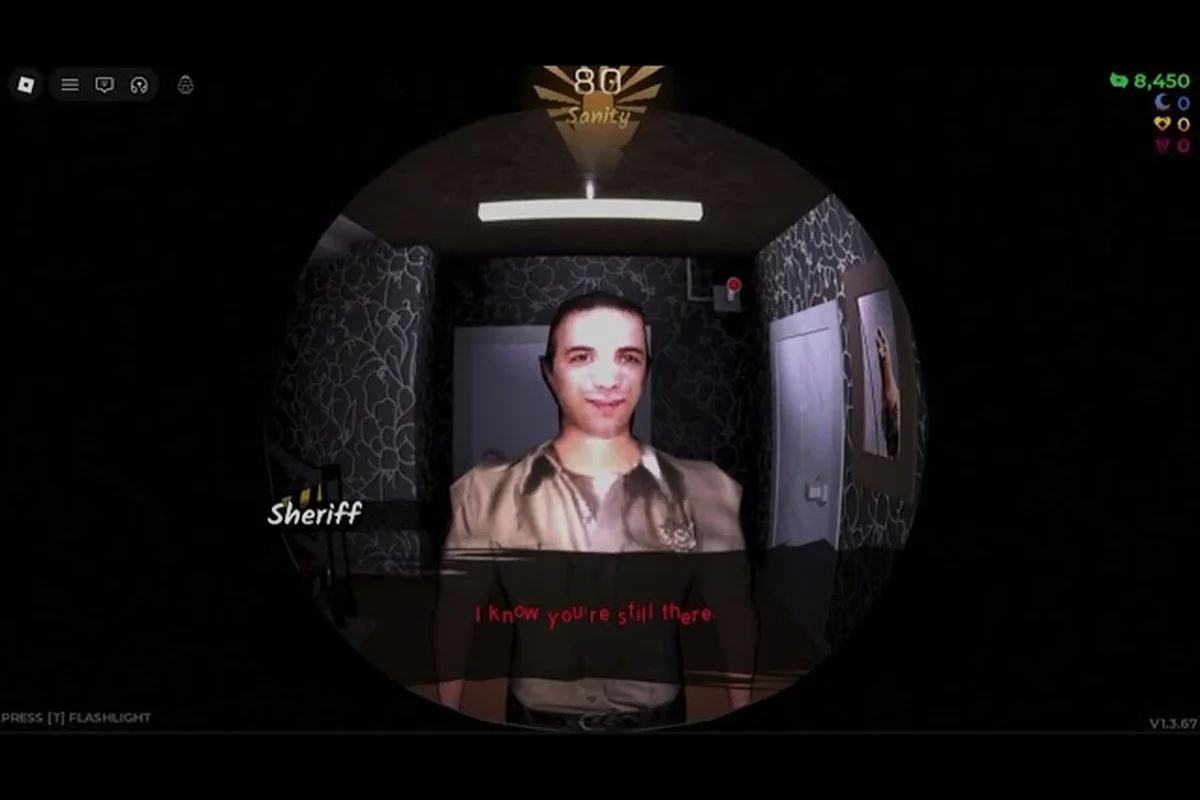
Keep the Door Locked People Knocking Guide: Who to Trust
Learn how to handle keep the door locked people knocking situations. Identify safe visitors, spot anomalies, and survive every knock with this complete guide.