Cameras
Master the Keep the Door Locked security camera system — how to cycle views, use night vision, spot camera-only anomalies and never miss a tell.
Introduction
Cameras are the most important system in Keep the Door Locked — and the easiest to underuse. Your hotel room has a monitor connected to security cameras, and almost every survival skill in the game runs through it: spotting camera-only anomalies, verifying visitor stories, checking the hallway before answering a knock, and using night vision to reveal distortions a normal view hides. This category is the complete camera guide. It teaches you the camera views available in the room, how to cycle between them, when to use night vision, the camera tells that reveal anomalies, and the blind spots to avoid when you finally unlock the door.
Camera Views Quick Reference
| Camera / View | Purpose | Reveals | Best Use |
|---|---|---|---|
| Hallway Cam | See who is at the door | Visitor identity + movement | Before every knock |
| Room Interior | Verify story claims | Oven, faucet, cat details | Check claimed emergencies |
| Night Vision | Reveal hidden details | Height, face, form distortions | Suspicious visitors |
| Full Coverage | Removes blind spots | Everything at once | Before opening the door |
Camera Views & Tells
Hallway Cam
The hallway cam is the first tool you reach for on every single knock, because it shows who is actually standing at your door and how they move in the corridor. It answers the most basic questions of the night: does the visitor exist, do they match the voice you heard, and do their movements look natural or staged? While it cannot verify claims about your own room, it is still where every reliable door decision begins. Cycle to it at the start of every check, before any other view.
Room Interior Cam
The room interior cam watches the space the visitor insists they know about: the oven, the faucet, the cat, the window. It is the view that catches story liars, because anomalies love to describe emergencies in your room that are not actually happening there. Every claimed detail can be checked against this footage before you touch the lock. If the story says smoke but the camera shows a clean kitchen, you already know the visitor is not telling the truth and the door should stay locked.
Night Vision
Night vision is the camera mode that exposes the hidden forms, revealing anomalies that look ordinary in normal lighting. Under this filter, distortions stand out: impossible height, wrong facial structure, and figures that only become visible in low light. The mode is invaluable on any suspicious visitor, because many anomalies deliberately hide in the shadows or shape themselves to appear human at first glance. Always return to the normal view before unlocking, so your final decision is made on the clearest possible image.
Blind Spot Management
Blind spot management is about knowing exactly where the cameras cannot see, because incomplete information is how anomalies slip past careful players. Every camera has a gap in its coverage, and a visitor who stands in a blind spot for too long is itself suspicious. Rather than deciding on whatever view happens to be on screen, do a full coverage pass and cycle every camera angle right before you open the door. If a visitor lingers where you cannot see them, treat that as a reason to stay locked.
Core Mechanics
The monitor connects you to the security cameras watching your hotel room and the hallway outside. When a visitor knocks, the camera is your first source of truth: who is at the door, what they look like in the hallway, and whether the room matches their story. Cycling views takes time, so camera skill is about efficiency — know which view answers which question. Night vision is a special mode that drastically increases the camera's light sensitivity, which is what reveals anomalies that hide in the dark or only exist in certain lighting. The camera also has limitations: blind spots in your room, and the time it takes to cycle, which anomalies use to pressure you into rushing.
Advantages
Mastering the cameras makes you nearly unkillable by most anomalies. Because so many tells are camera-only — faces pressed to the lens, figures that vanish between views, missing evidence — the player who watches the monitor catches them every time. Cameras also save you time: instead of agonizing over a story, one glance at the room camera settles it. And night vision multi-tools your inspection, revealing both visual distortion and giving you confidence for the final decision at the door. And night vision multi-tools your inspection, revealing both visual distortion and giving you confidence for the final decision at the door, which save you both time and sanity.
Challenges
The camera system has real limitations. Cycling views takes time and leaves the door unguarded while you watch — a slow player can spend so long on the monitor that the game pressures them into a rushed decision. Blind spots exist in the room, and no camera reveals everything. Night vision also has a tradeoff: it lights up the dark but can make bright areas harder to read, and relying entirely on it means missing tells that only show in normal view. Discipline is required — the camera is a tool, not a replacement for judgment. Discipline is required — the camera is a tool, not a replacement for judgment, and a slow player can spend so long on the monitor that the game pressures them into a rushed decision.
Frequently Asked Questions
How do I use night vision?+
What camera tells reveal an anomaly?+
Are there blind spots in the camera coverage?+
Quick Tips
Check the hallway camera before every single knock. The habit of "knock → hallway cam → room cam → decision" catches more anomalies than any other single practice. Never let a knock pull you straight to the door handle. Never let a knock pull you straight to the door handle, because the camera is your only unbiased source of information about who is outside.
Toggle night vision on suspicious visitors, then switch back before opening. Night vision reveals the distortions that matter most; normal view confirms you have full visibility before you unlock. The switch back is not optional — it closes the blind spot. The switch back is not optional, because it closes the blind spot that night vision can create in brightly lit parts of the frame.
Watch for camera-only tells: faces pressed to the lens and figures that appear in one view but vanish in another. These are some of the most reliable anomaly signals in the game, and they are invisible if you never open the monitor. These are invisible if you never open the monitor, which is why consistent camera discipline is the single highest-value habit in the game.
Featured
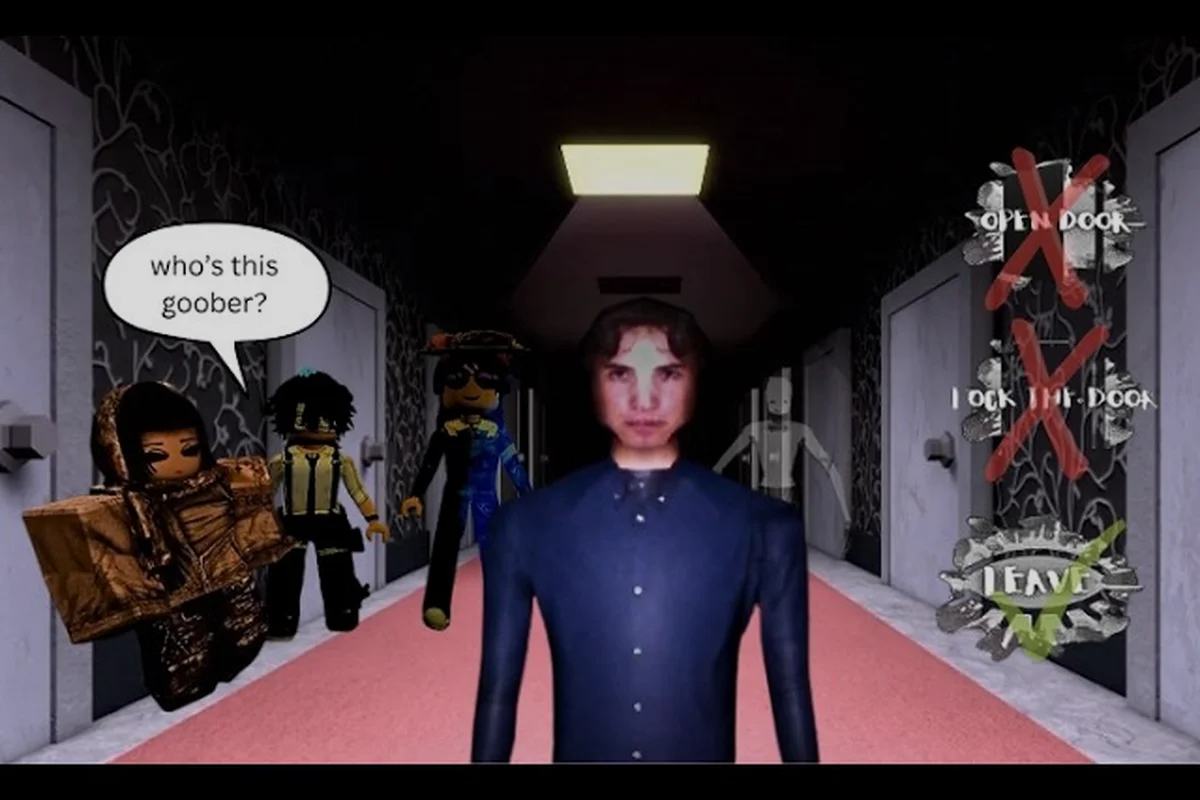
Keep the Door Locked Camera Guide: Master Every View
Master the Keep the Door Locked camera guide with blind spot maps, infrared tricks, static tells, and priority checklists to spot anomalies before they knock.
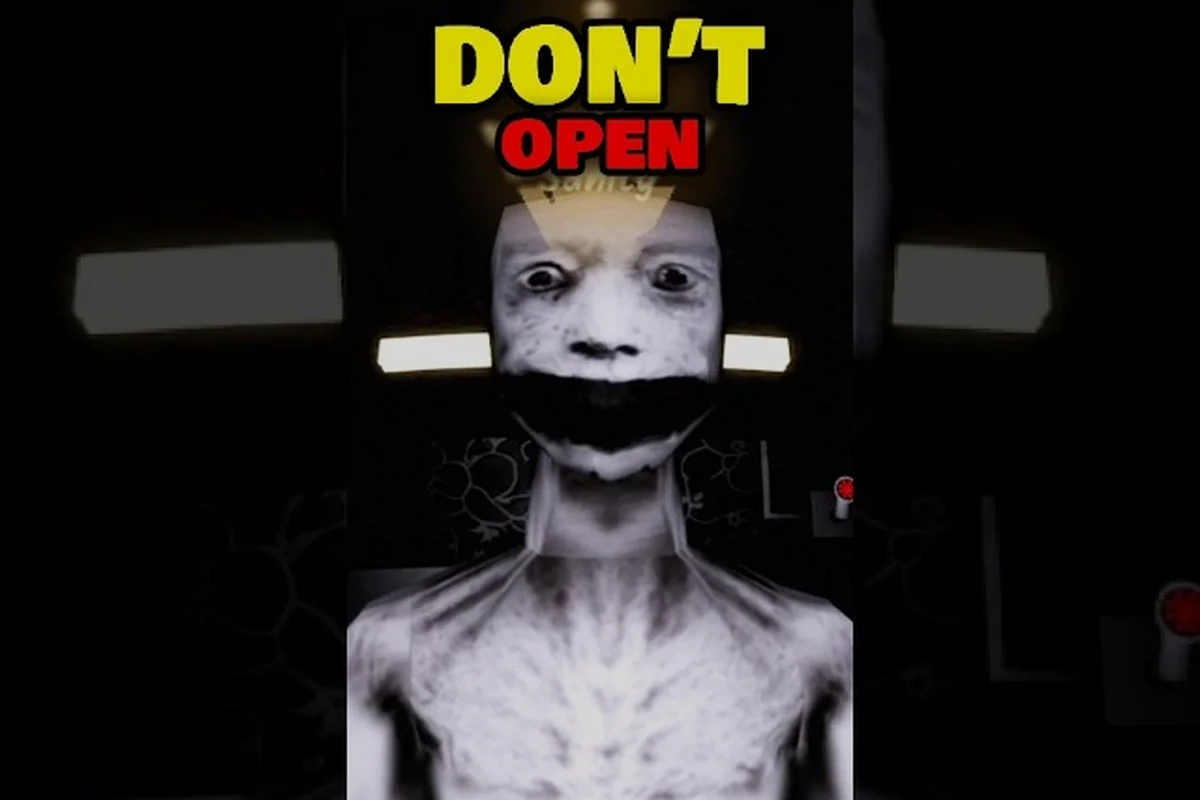
Keep the Door Locked Camera Controls: Complete Button Guide
Learn every Keep the Door Locked camera control, from cycling views to night vision toggles. Spot anomalies faster and survive longer with our complete CCTV guide.
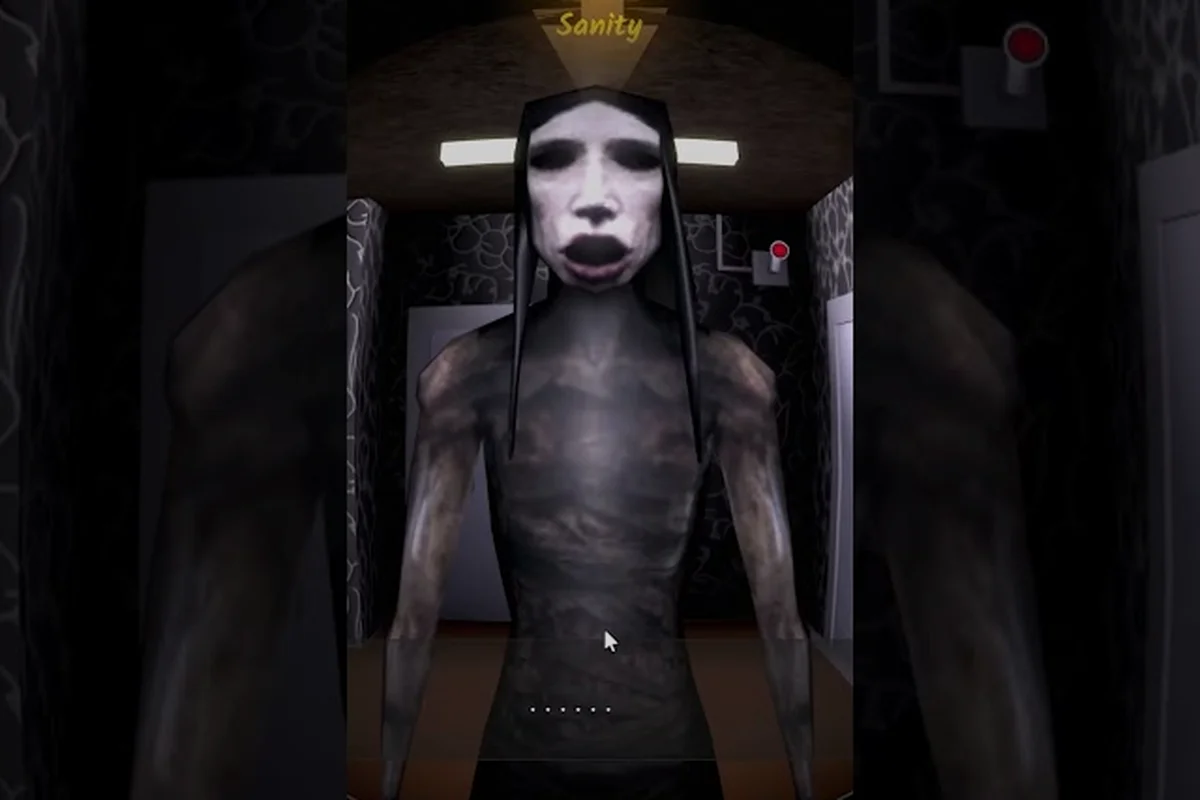
Keep the Door Locked Camera System: Full Guide to Surviving
Master the Keep the Door Locked camera system with this complete guide. Learn to spot anomalies, use night vision, and check the hallway before answering.
All Articles
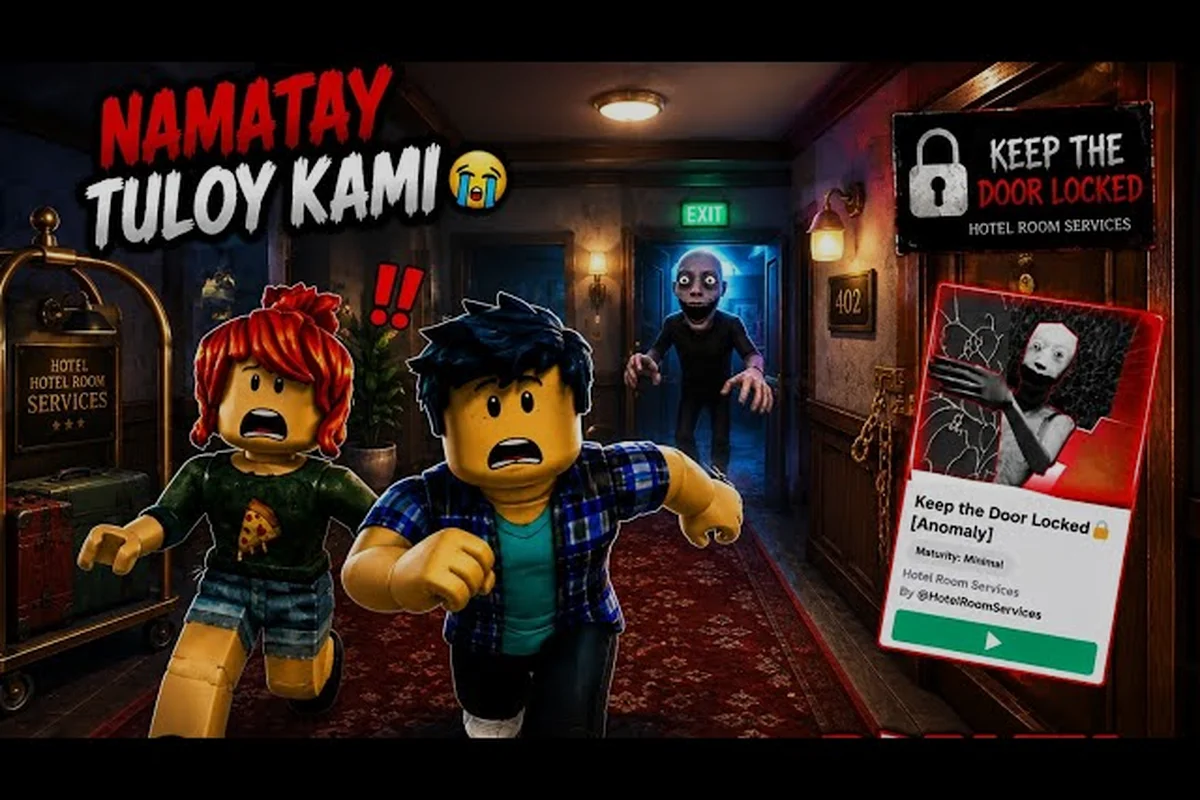
Keep the Door Locked Cameras: How the CCTV System Works
Learn how the Keep the Door Locked cameras work, spot anomaly tells, use night vision, and survive every knock with this complete CCTV guide for beginners.
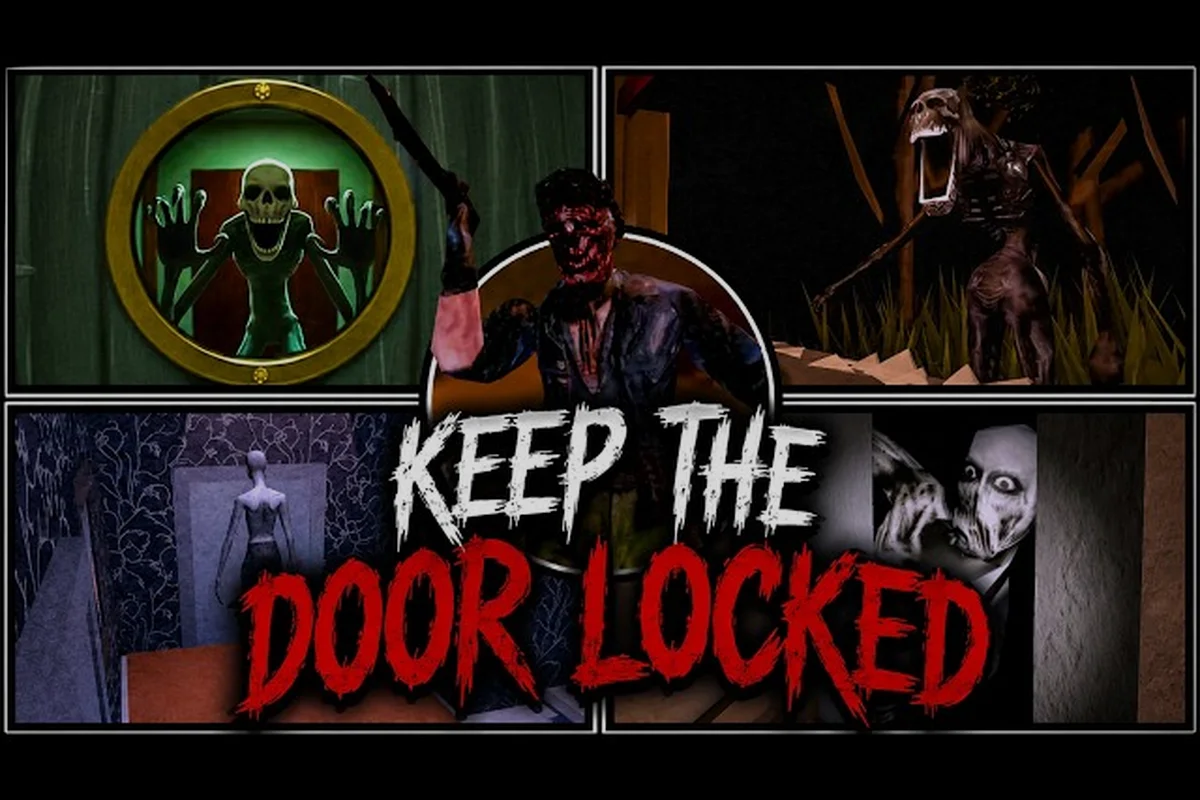
Keep the Door Locked: How to Use Cameras Like a Pro
Learn how to use cameras in Keep the Door Locked to spot anomalies, read night vision tells, and survive every knock with this complete monitoring guide.
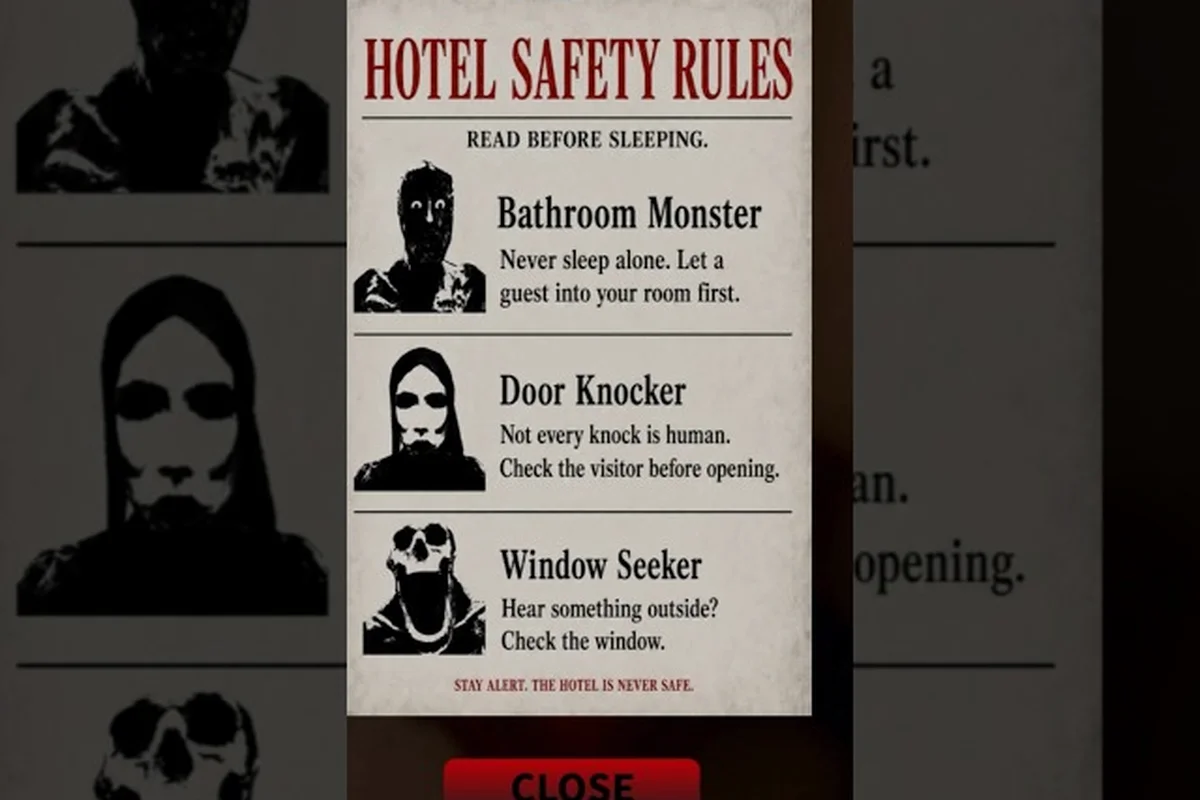
Keep the Door Locked Night Vision Guide: Master the Cameras
Master Keep the Door Locked night vision with camera tricks, anomaly detection tips, and CCTV strategies. Survive longer by spotting what hides in the dark.
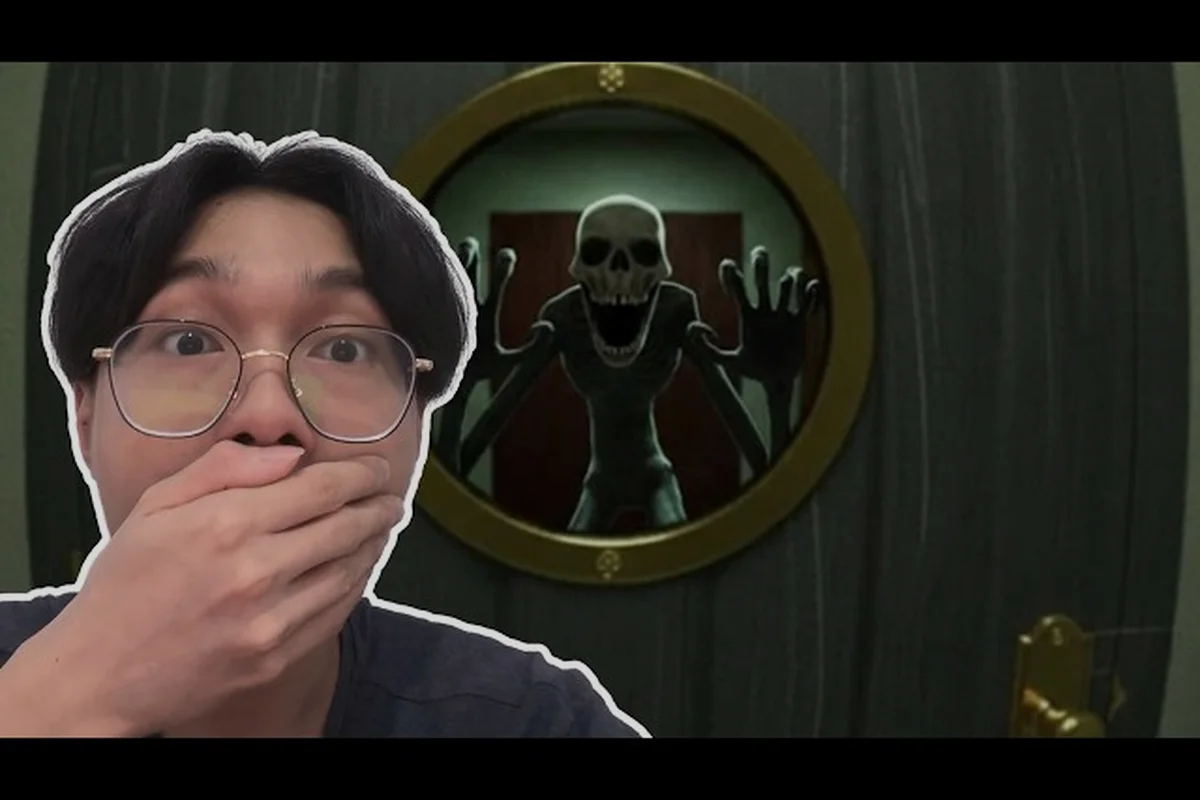
Keep the Door Locked Camera Tips: Spot Anomalies Fast
Learn essential keep the door locked camera tips to spot anomalies, use night vision, and survive longer. Master the CCTV system before your next knock.
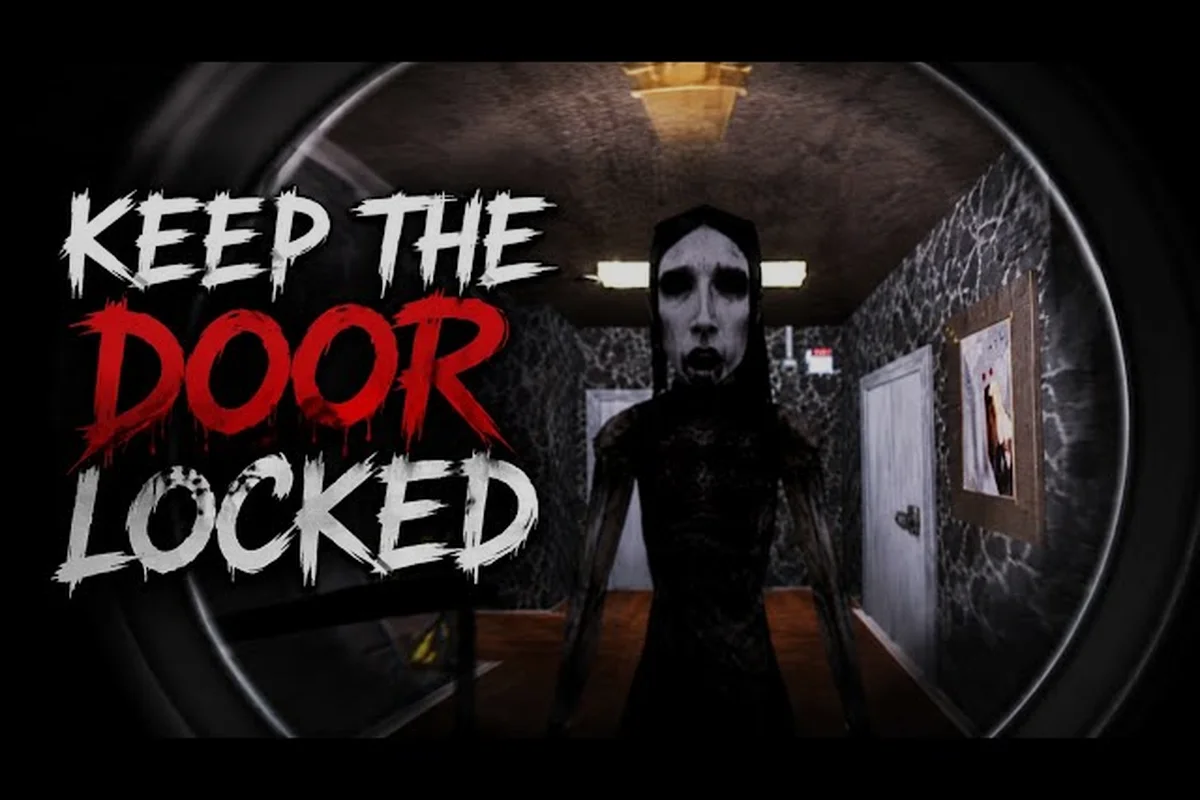
Keep the Door Locked Security Cameras: Setup and Usage Guide
Master Keep the Door Locked security cameras with this complete guide. Learn what cameras see, how to cycle views, and check before answering the door.